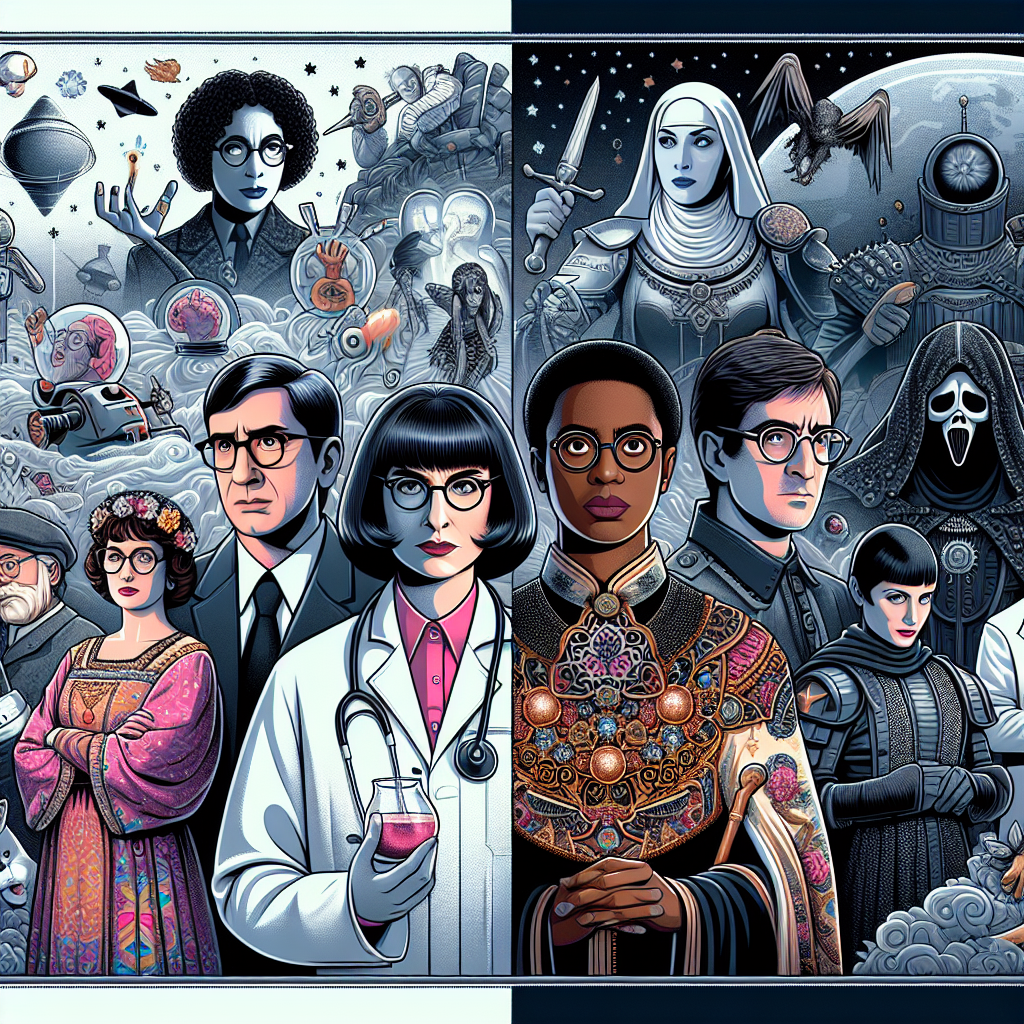
Uncover the secrets behind the creation of your favorite comic books, from panels to power in this eye-opening post!

Table of Contents
Whether you’re a die-hard superhero fan or just curious about the world of comic books, exploring the art of comic book creation can be a thrilling journey. From the initial concept to the final product, the process of bringing characters and stories to life on the page is a fascinating blend of creativity, storytelling, and visual artistry. In this blog post, we will delve into the various stages of comic book creation, from ideation to publication, and discover the magic behind this unique and beloved form of storytelling.
Conception and Ideation: The Birth of a Story
At the heart of every comic book is a compelling story that captivates readers and draws them into the world of the characters. The process of creating a comic book typically begins with the conception of an idea or concept that will serve as the foundation for the narrative. This can come from a variety of sources, such as personal experiences, historical events, or even dreams and fantasies.
Once the initial idea is established, the next step is to develop the storyline, characters, and setting. This involves crafting a detailed plot outline, fleshing out the personalities and motivations of the characters, and defining the visual style of the comic book. Writers and artists collaborate closely during this stage to ensure that the story flows smoothly and that the visuals complement the narrative.
Artistic Expression: Bringing Characters to Life
One of the most exciting aspects of comic book creation is the artistry involved in bringing characters to life on the page. Artists play a crucial role in shaping the visual style of a comic book, from character design to page layout to panel composition. Through their illustrations, artists infuse emotion, movement, and energy into the story, creating a dynamic and immersive reading experience.
Character design is a key component of comic book art, as it helps to establish the identity and personality of each character. Artists must carefully consider details such as costume design, facial expressions, and body language to convey the emotions and intentions of the characters effectively. Additionally, artists use color, lighting, and shading to enhance the mood and atmosphere of the comic book, creating a rich and vibrant visual world for readers to explore.
Collaboration and Iteration: The Creative Process in Action
Comic book creation is a collaborative process that involves the combined efforts of writers, artists, editors, and other creative professionals. Collaboration is essential to ensure that the story is cohesive, the artwork is consistent, and the overall vision of the comic book is realized. Writers and artists work closely together to refine the storyline, develop the characters, and fine-tune the visuals, continually iterating and revising their work to achieve the desired outcome.

Image courtesy of via Google Images
Editors play a vital role in the creative process, providing feedback, guidance, and support to the creative team. They help to ensure that the story is engaging, the artwork is polished, and the final product meets the expectations of readers. Through their expertise and insight, editors help to shape the comic book into a cohesive and compelling work of art.
Publication and Distribution: Sharing Stories with the World
Once the comic book is complete, the final step is publication and distribution. This involves the printing of physical copies, as well as the digital release of the comic book through online platforms. Publishers play a crucial role in bringing the comic book to market, handling the logistics of production, marketing, and distribution to reach a wide audience of readers.
Comic book creators often engage with fans and readers through conventions, signings, and social media, building a community of supporters and enthusiasts. This direct interaction with readers allows creators to receive feedback, connect with fans, and share their passion for storytelling and art. Through these interactions, comic book creators can gain valuable insights, inspiration, and encouragement to continue creating and sharing their work with the world.
Conclusion: Embracing the Magic of Comic Book Creation
From conception to publication, the art of comic book creation is a labor of love that combines imagination, skill, and dedication. Through the collaboration of writers, artists, editors, and publishers, comic books come to life as vibrant and engaging works of art that captivate and inspire readers of all ages. Whether you’re a lifelong fan or a newcomer to the world of comic books, exploring the creative process behind these beloved stories can be a rewarding and enlightening experience. So dive into the world of comic book creation and discover the magic that lies within each panel and page.
About Author